Built to Evolve
Over 17 years, UassistME had become something genuinely substantial, Inc. 5000 twice over, Forbes-recognized, with more than 1,000 client companies served across North America. The site had kept pace with the business, absorbing each new service, each shift in positioning, each expansion of scope as it arrived. By the time we came in, it was thorough in ways that had started to work against it.
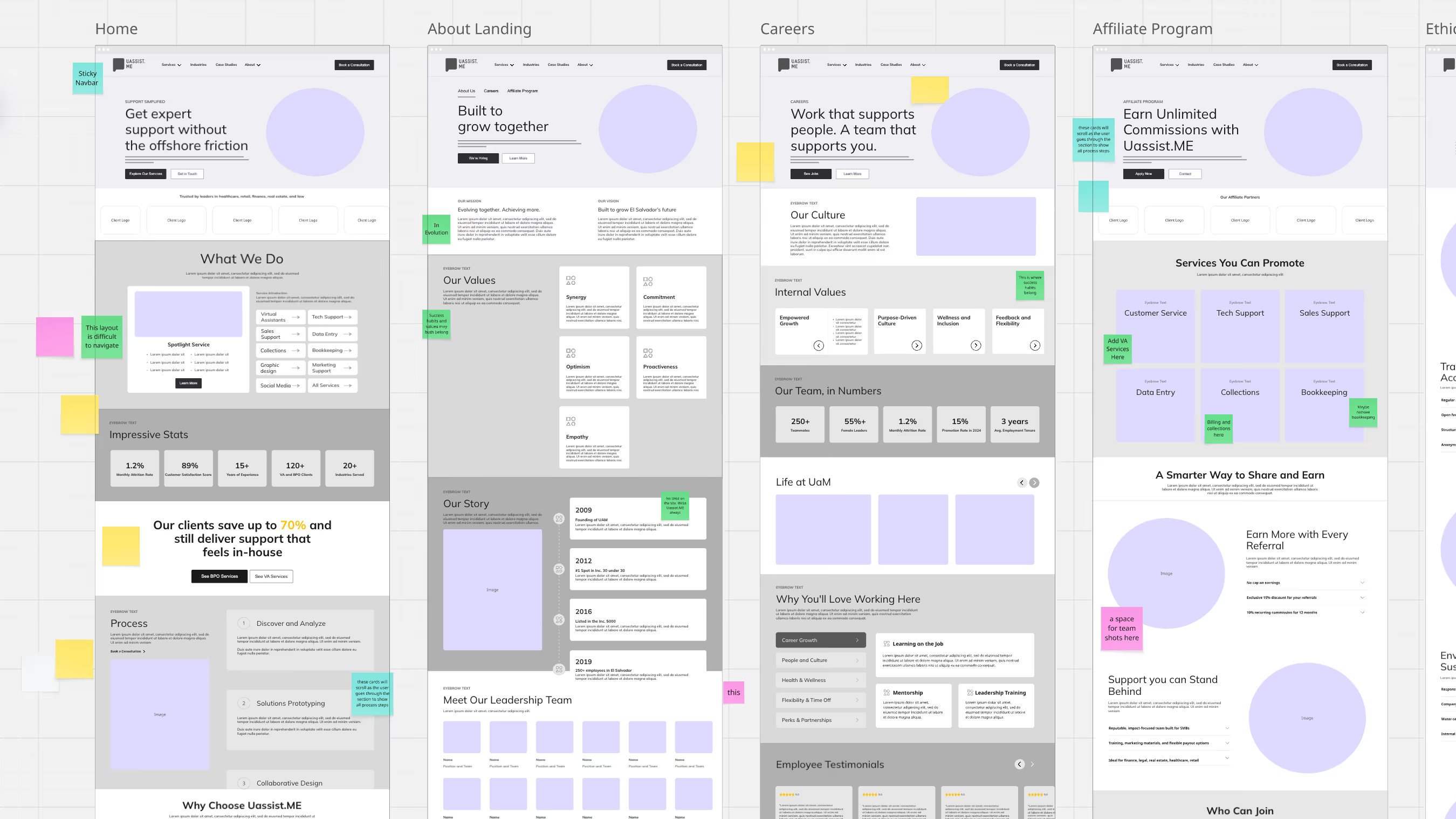
What looked like a sprawl problem was actually a structural one. The site had been organized around how the business understood itself, rather than how its clients evaluate and choose.
Getting that distinction right was where the real work started.
01 Triage Before Design
The instinct on projects like this is to modernise and redesign. We didn’t start there. The problem was organizational, so the first question was structural: what does the site actually need to do, and for whom?
17 years of genuine growth had left the site organized around how the business understood itself rather than how its clients evaluate and decide. Services had accumulated in categories that made internal sense but gave visitors no clear path to follow. The overlap wasn’t a style issue; it was an architectural problem, and redesigning the surface wouldn’t address it.
That distinction mattered. It meant the work started with diagnosis instead of design. Establishing what the site needed to communicate, to whom, and in what order set a strategic foundation for all the work downstream.
02 Decision Architecture
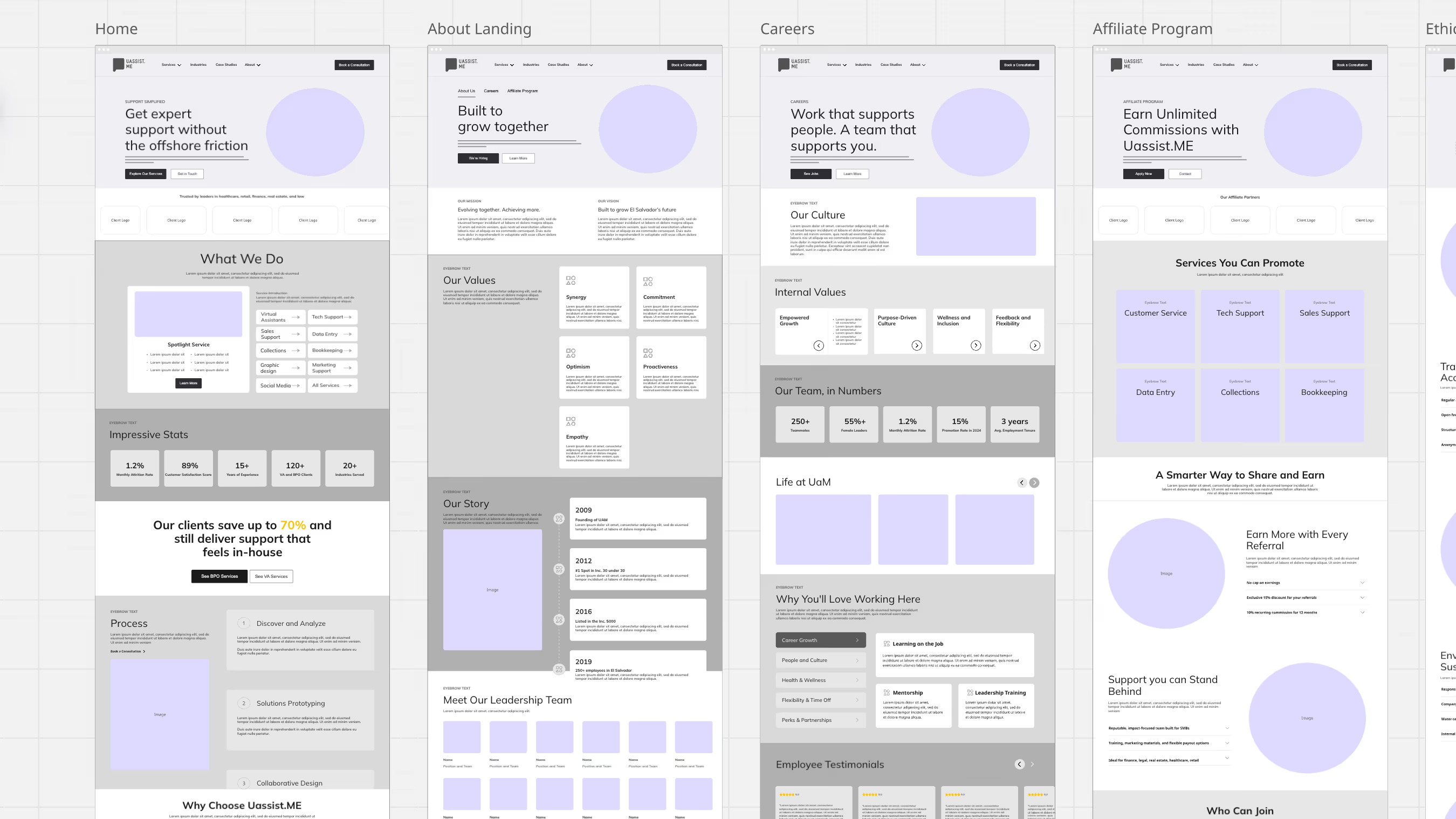
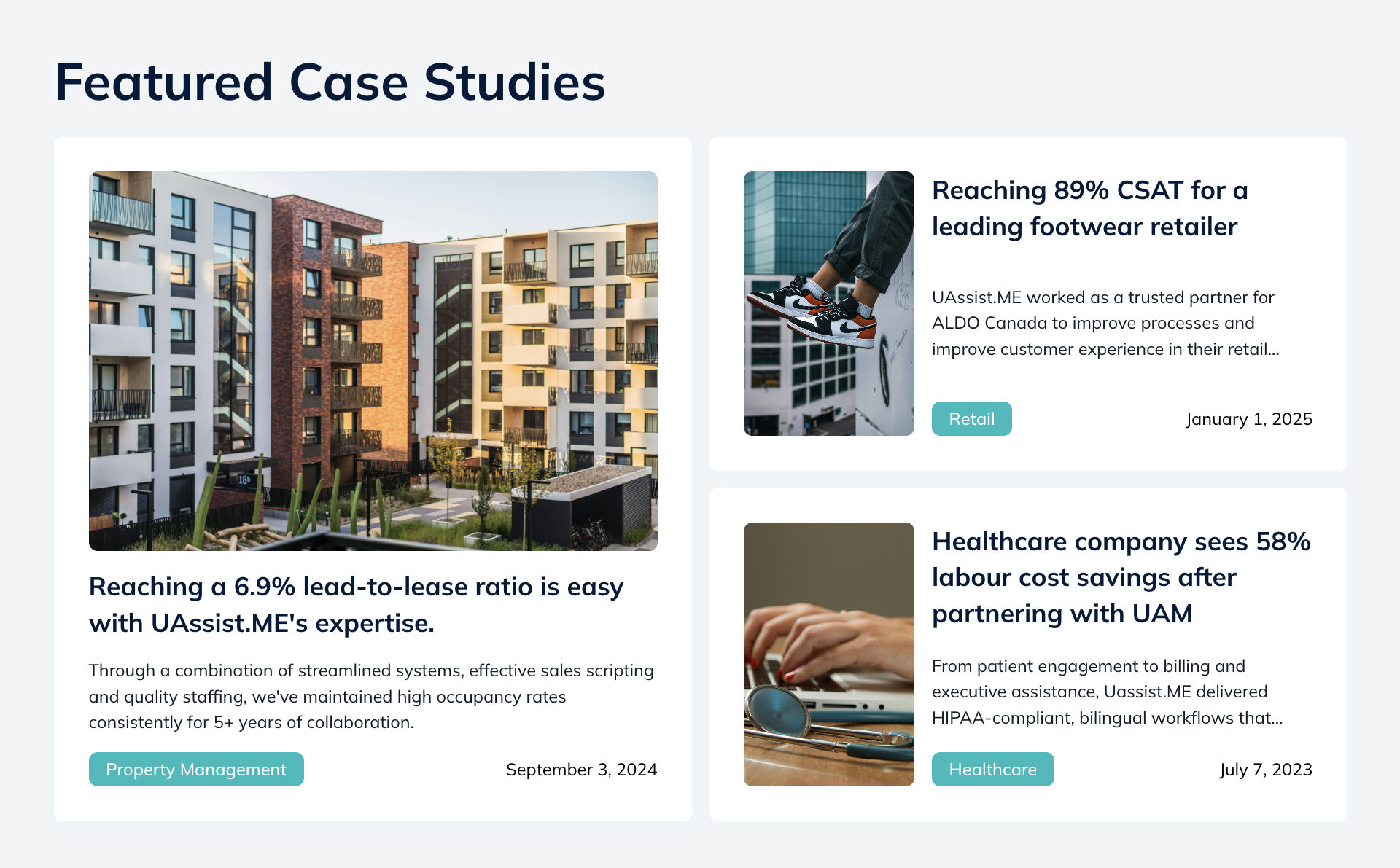
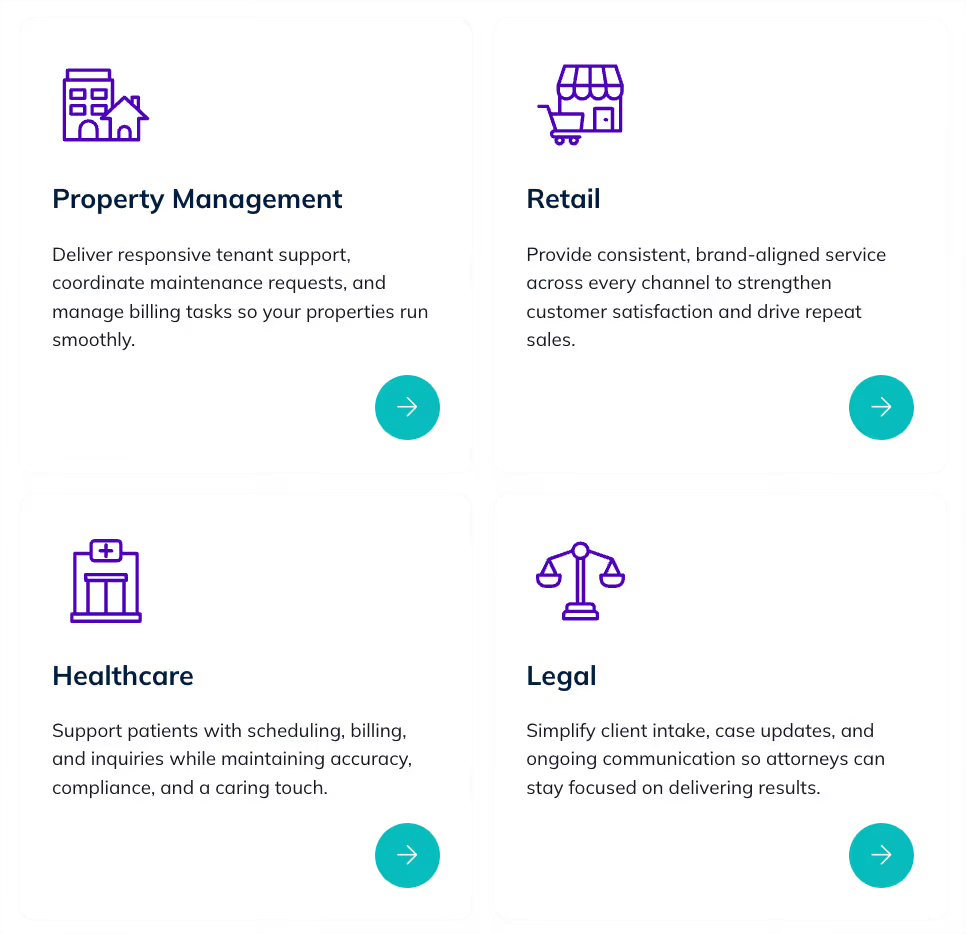
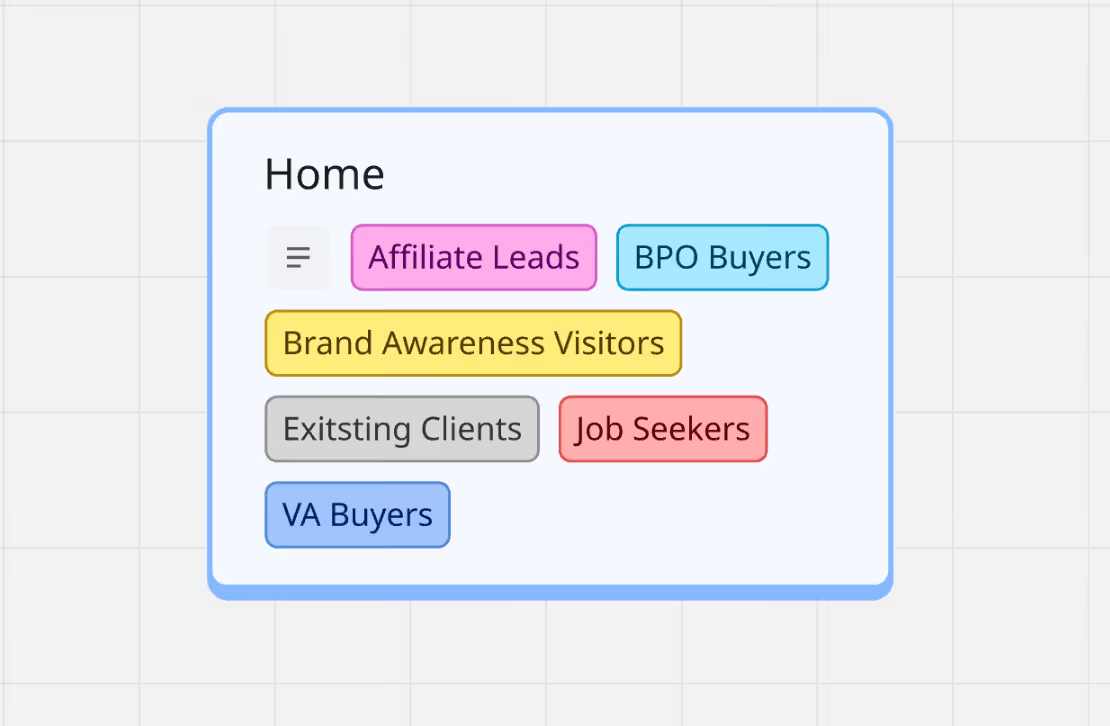
Uassist.ME serves distinct client types with meaningfully different needs. The existing structure wasn’t differentiating between them. It was asking each visitor to self-sort through an offering organized around the business, not around how those visitors actually make decisions.
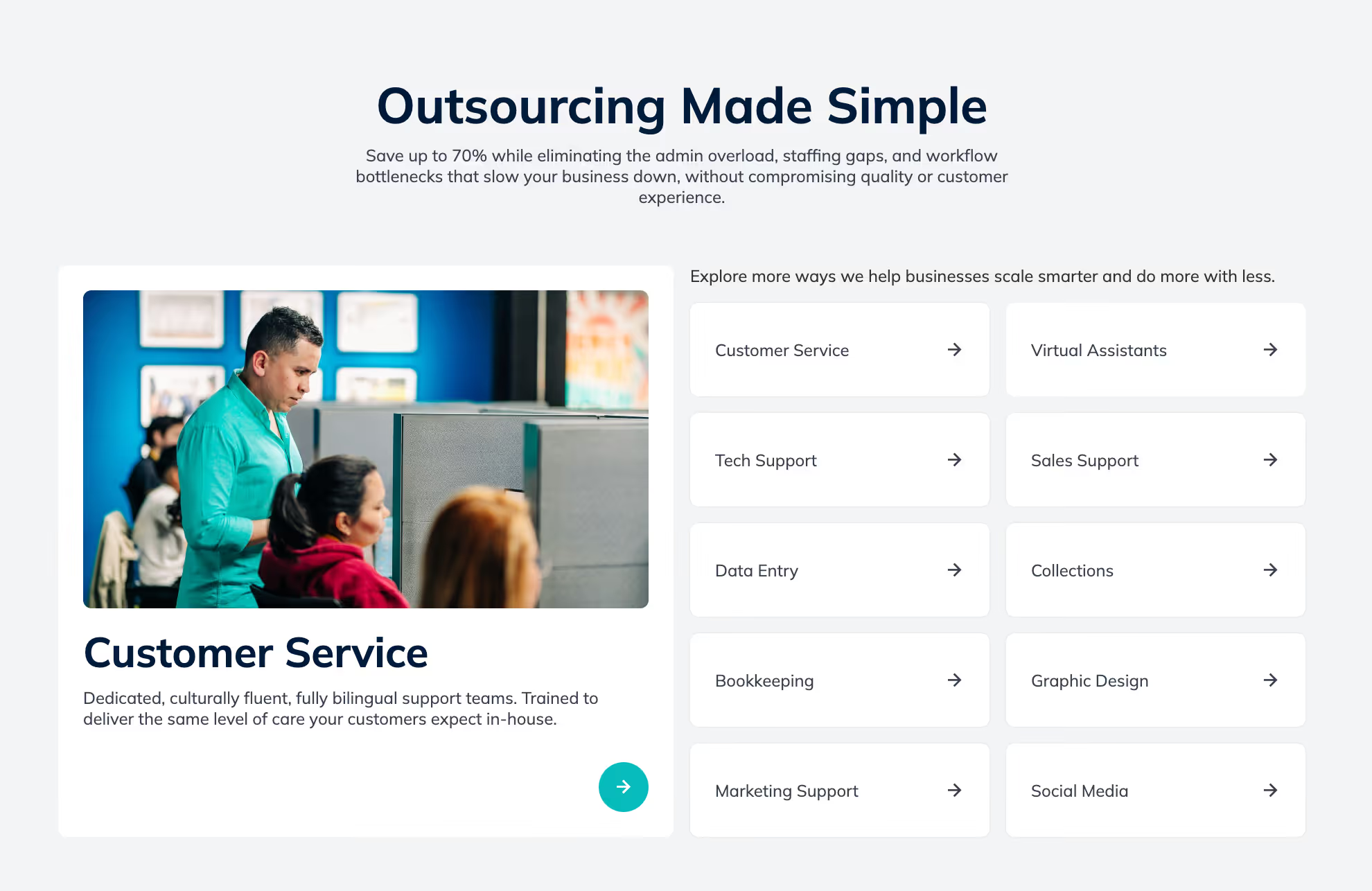
We rebuilt the information architecture from the outside in. The starting point wasn’t the service catalog but the decision journey: what does each client type need to understand, and when do they need to understand it to move forward with confidence? Offerings were consolidated and reframed around outcomes rather than features. The distinctions between them became legible not because they were labeled more clearly, but because the structure gave them room to be distinct.
The result was a site that could hold a genuinely complex and broad set of offerings without making that complexity the visitor’s problem to navigate.
03 Designing for Ownership


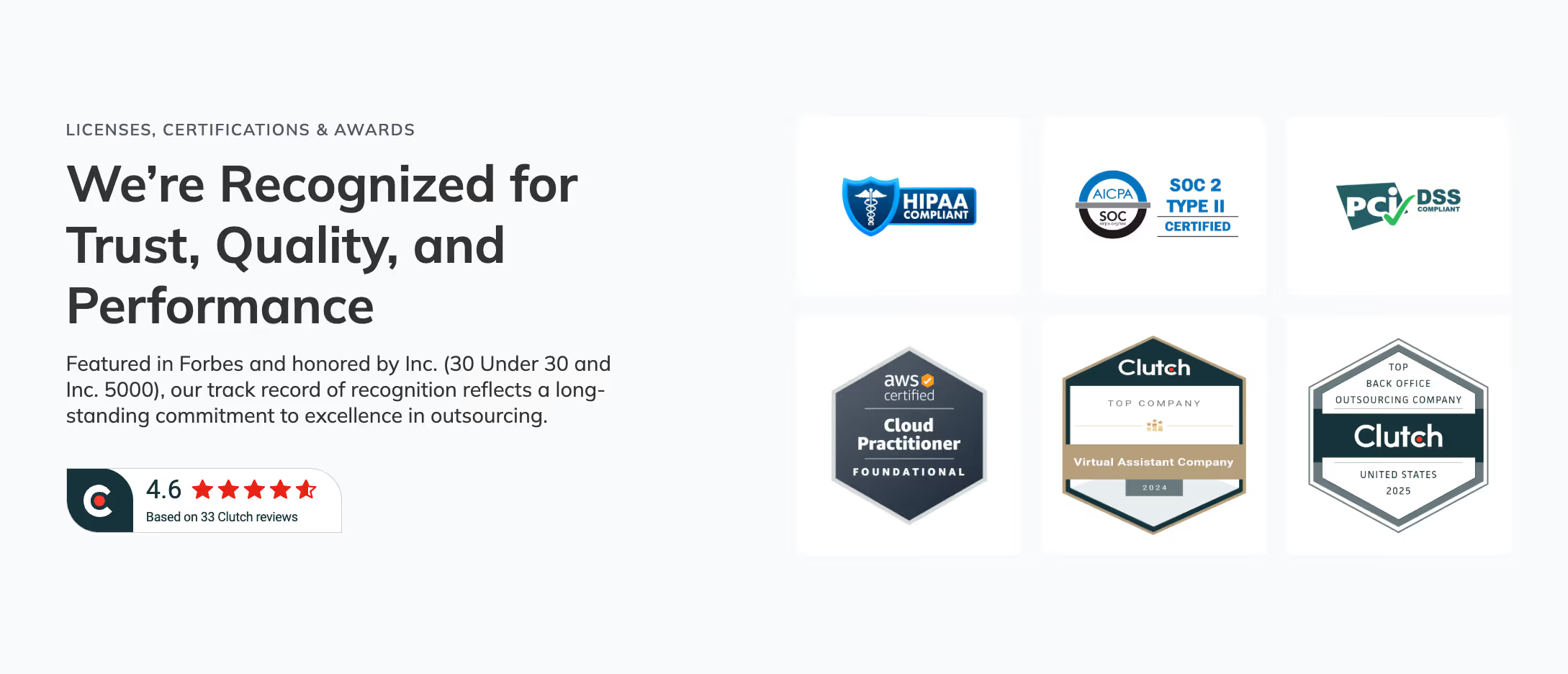
Uassist.ME had an internal marketing and web team. That’s not an afterthought, that’s a design parameter.
A site built for external management and a site built for internal ownership are fundamentally different objects. The former optimizes for flexibility; the latter has to optimize for legibility to the people who will actually operate it. Every structural decision we made was weighed against one question: will the internal team be able to run this confidently, at the pace they actually work, without needing to call us?
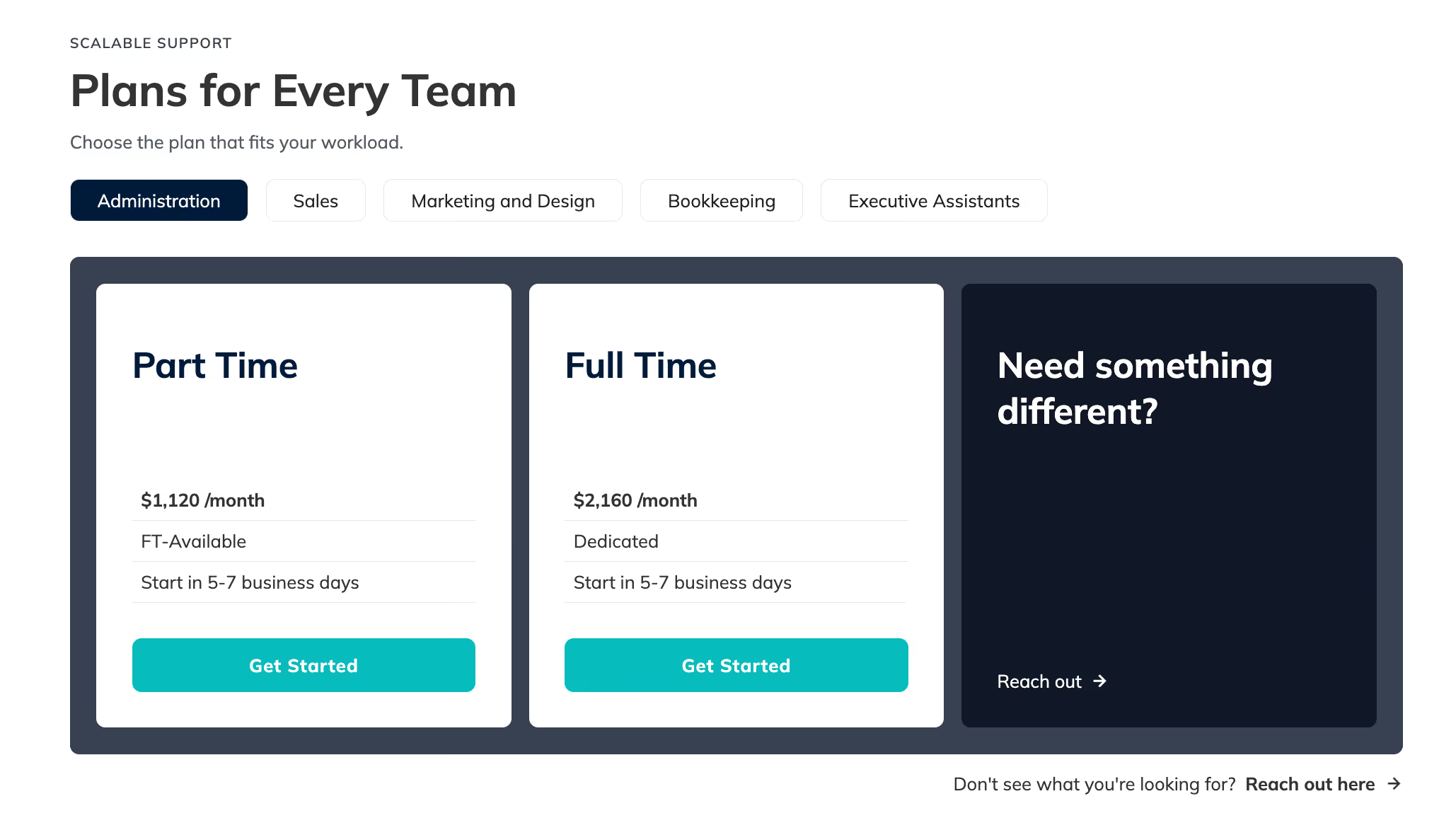
Components were modular and clearly scoped. Templates were built so the marketing team could produce new pages quickly without touching anything structural or drifting from visual consistency. Content architecture was designed around how material would actually be created and maintained, not how it might theoretically be managed. The goal wasn't a handoff. It was a system the internal team could own.
#F3F4F6
#E5E7EB
#D1D5DB
#374151
#111827
04 Systems that Absorb Change
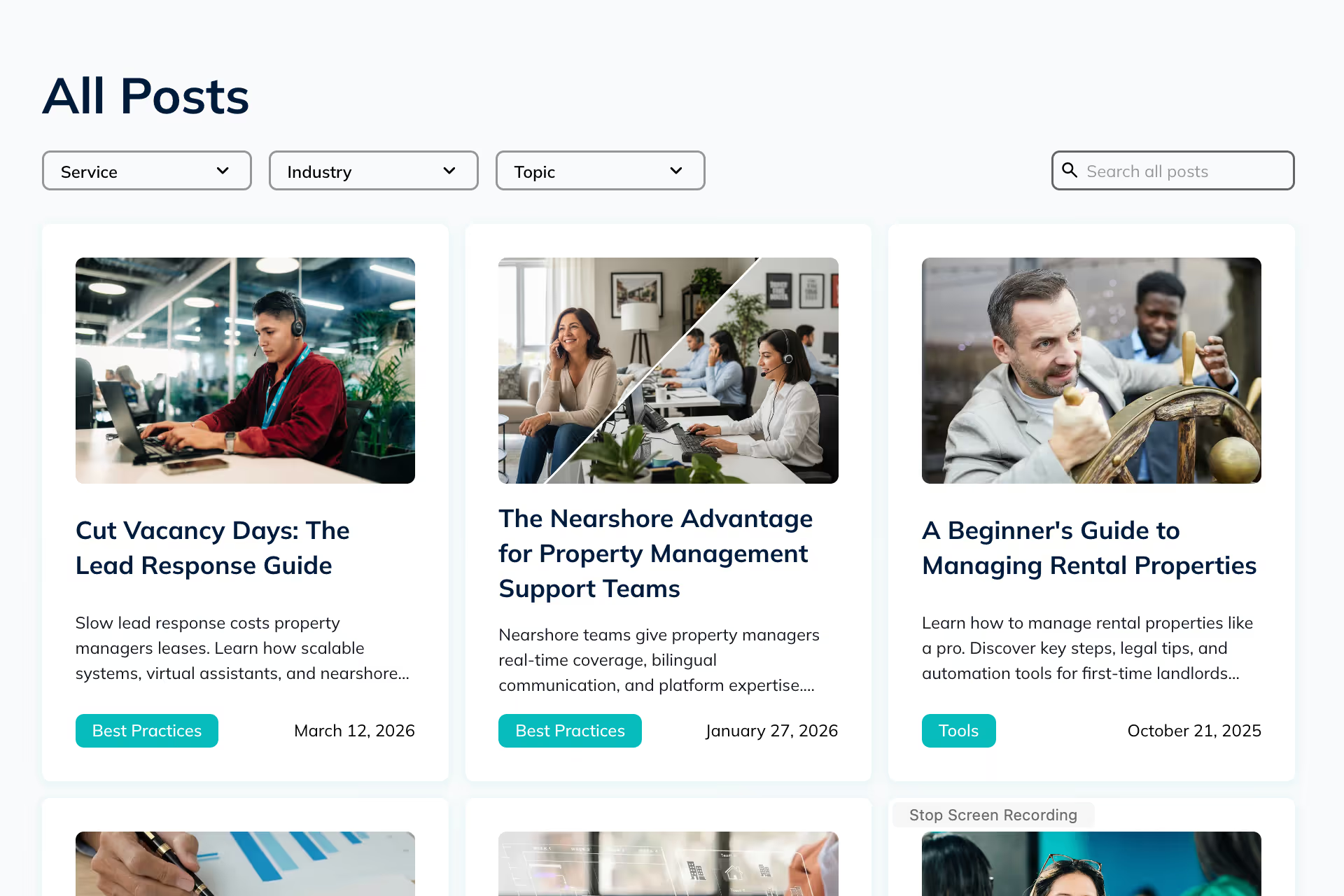
Sites accumulate friction gradually. Each addition is made in good faith. Few are designed to work as part of a coherent whole. Over time, the cost appears not in any single page but in how hard the site becomes to change. When change is hard, improvement becomes optional.
The answer isn’t better-designed individual pages. It’s a different way of building them. Reusable components mean new pages stay visually consistent without requiring a custom design each time. Global styles mean brand updates propagate once rather than being tracked down across dozens of elements. Structure built this way ages differently. It was the capacity to absorb change rather than accumulate it.
For a business like Uassist.ME, that’s constantly growing and evolving, that wasn’t a nice-to-have. It was the point.